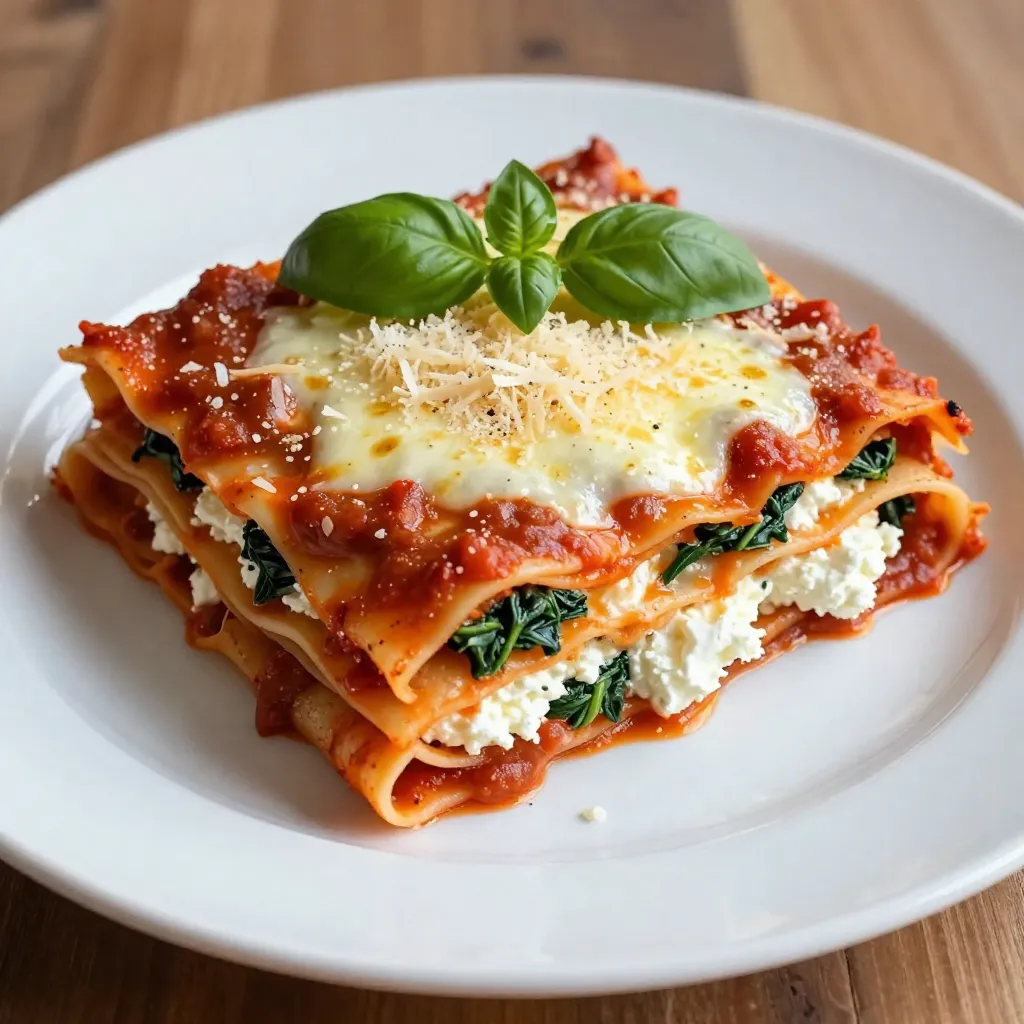
Looking for a tasty twist on a classic favorite? This Cottage Cheese Lasagna recipe is not just easy to whip up, but it’s also packed with flavor. With simple ingredients and clear steps, you’ll have a delicious meal ready for your family in no time. Let’s dive into layers of cheesy goodness that will leave everyone wanting more! Explore the full recipe and impress your dinner guests tonight.
Why I Love This Recipe
- Healthy Ingredients: This lasagna incorporates cottage cheese and spinach, providing a nutritious twist on a classic dish.
- Easy to Make: With simple steps and ingredients, this recipe is perfect for both beginners and experienced cooks.
- Cheesy Goodness: The combination of mozzarella and Parmesan creates a deliciously gooey and rich topping.
- Great for Meal Prep: This lasagna can be made ahead of time and stored in the fridge or freezer, making it a convenient option for busy days.
Ingredients
List of Ingredients
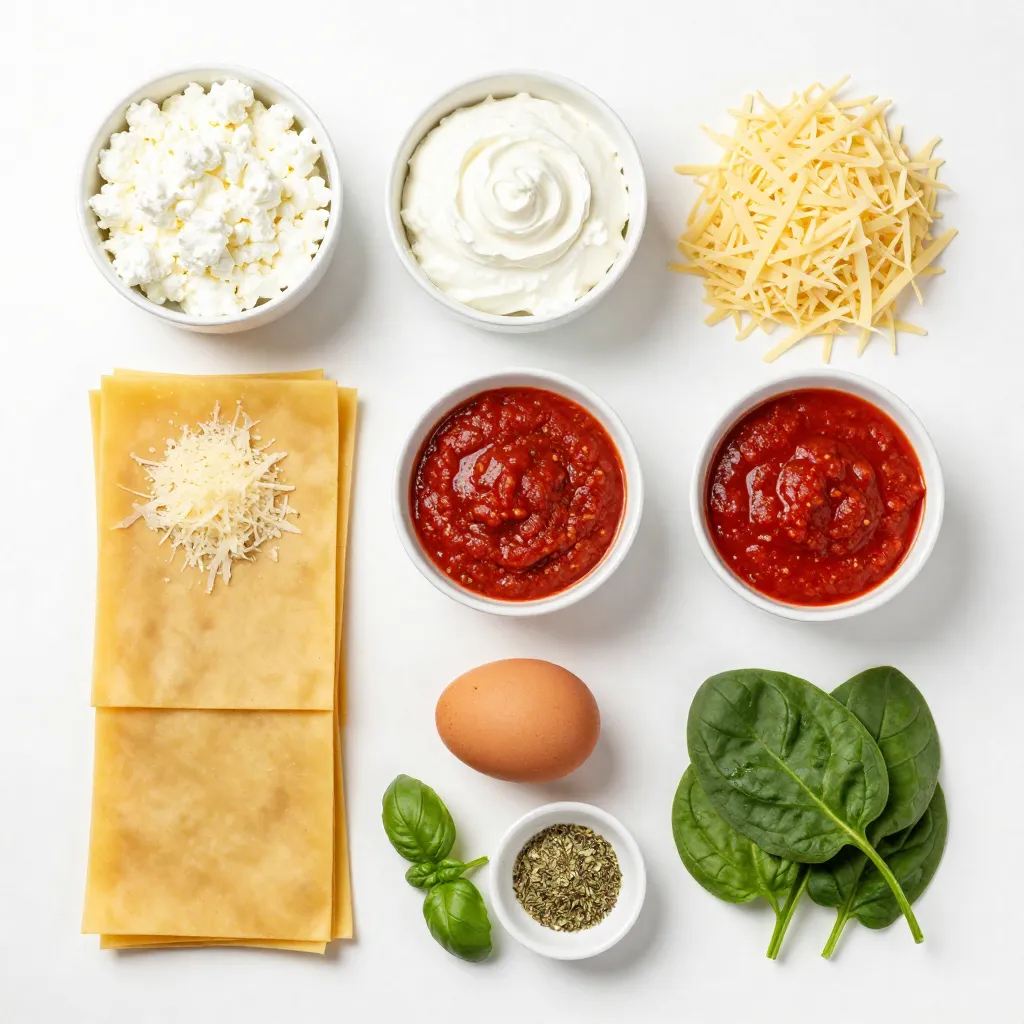
To make cottage cheese lasagna, gather these ingredients:
– 9 lasagna noodles
– 2 cups cottage cheese
– 1 cup ricotta cheese
– 2 cups shredded mozzarella cheese
– 2 cups marinara sauce
– 1/2 cup grated Parmesan cheese
– 1 large egg
– 2 cups fresh spinach, chopped
– 1 teaspoon dried basil
– 1 teaspoon dried oregano
– Salt and pepper to taste
– Fresh basil leaves for garnish (optional)
Optional Ingredients for Variations
Want to switch things up? Here are some optional ingredients you can add:
– Grilled chicken or ground beef for protein
– Sliced mushrooms for an earthy flavor
– Zucchini or bell peppers for extra veggies
– Ricotta cheese can be switched with goat cheese
Cooking Tools Needed
To cook this dish, you will need:
– A large pot for boiling noodles
– A mixing bowl for the cheese mixture
– A 9×13 inch baking dish for assembling
– Aluminum foil to cover the dish while baking
– A spatula for layering and serving
– Oven mitts for safety when removing the hot dish
Step-by-Step Instructions
Preparing the Oven and Noodles
First, preheat your oven to 375°F (190°C). This step is key for even cooking. While the oven heats, fill a large pot with water, add salt, and bring it to a rolling boil. Once boiling, add the lasagna noodles. Cook them according to the package instructions until they are al dente. After cooking, drain the noodles and set them aside to cool slightly.
Making the Cheese Mixture
In a mixing bowl, combine 2 cups of cottage cheese, 1 cup of ricotta cheese, and 1 large egg. Add 2 cups of chopped spinach for color and nutrition. Then, mix in 1 teaspoon of dried basil and 1 teaspoon of dried oregano. Season with salt and pepper to taste. Stir the mixture well until it becomes creamy and smooth.
Layering the Lasagna
Grab a 9×13 inch baking dish. Start by spreading 1 cup of marinara sauce evenly at the bottom. Place 3 lasagna noodles on top of the sauce. Next, spoon half of your cheese mixture over the noodles. Make sure to spread it evenly. Follow this with 1 cup of shredded mozzarella cheese. Repeat this layering process: pour another cup of marinara sauce, add 3 more noodles, and then the remaining cheese mixture and mozzarella. Finish with the last 3 noodles, the rest of the marinara sauce, and top with the last cup of mozzarella.
Baking the Lasagna
Cover your baking dish tightly with aluminum foil. This helps trap steam for moist lasagna. Bake in the preheated oven for 25 minutes. After that, remove the foil and bake for another 15 minutes. Look for bubbly cheese with a light golden hue on top.
Resting and Serving Tips
After baking, carefully take the lasagna out of the oven. Let it rest for about 10 minutes. This helps the layers set and makes slicing easier. If you want to add a fresh touch, garnish with basil leaves before serving. Serve warm and enjoy your delicious cottage cheese lasagna!
Tips & Tricks
How to Prevent Soggy Lasagna
To avoid a soggy lasagna, be sure to cook your noodles al dente. If they are too soft, they will absorb excess moisture. Also, drain the noodles well after cooking. When layering, spread a thin layer of marinara sauce at the bottom. This keeps the noodles from sticking and helps them stay firm.
Best Practices for Layering
Layering is key to a great lasagna. Start with sauce, then noodles, followed by cheese mixture. Make sure to spread each layer evenly. This way, every bite has great flavor. Repeat the process and finish with sauce and cheese on top. This creates a beautiful, golden crust.
Enhancing Flavor with Additional Herbs
Adding herbs can elevate your lasagna’s taste. Fresh basil or parsley adds a nice touch. You can also try thyme or rosemary for a new twist. Simply sprinkle herbs between layers or on top before baking. This makes your dish even more flavorful and aromatic.
Pro Tips
- Use No-Boil Noodles: For a quicker assembly, consider using no-boil lasagna noodles. They soften while baking, saving you time and effort.
- Customize Your Greens: Feel free to mix in other vegetables like zucchini or mushrooms with the spinach for added flavor and nutrition.
- Let It Rest: Allow the lasagna to rest after baking. This will help the layers set and make serving much easier.
- Experiment with Cheeses: Try adding different cheeses like feta or goat cheese to the ricotta mixture for a unique twist on flavor.
Variations
Gluten-Free Cottage Cheese Lasagna
You can easily make this dish gluten-free. Replace regular lasagna noodles with gluten-free ones. Many brands offer great options that taste just as good. Look for rice or corn-based noodles. Cook them according to package directions. Assemble your lasagna as usual, and enjoy a hearty meal without gluten.
Low-Fat or Vegan Options
For a low-fat version, use low-fat cottage cheese and ricotta. This will cut some calories but keep the taste. If you want a vegan choice, use plant-based cheeses. Many brands now offer vegan ricotta and mozzarella. You can also skip the egg or use a flaxseed mixture for binding. These swaps make the dish lighter and still delicious.
Adding Vegetables for Extra Nutrition
Adding vegetables boosts the nutrition of your lasagna. Spinach is a great start, but try other veggies too. Consider diced zucchini, sliced mushrooms, or bell peppers. Mix them into your cheese mixture or layer them between noodles. This adds color and flavor while making your meal healthier. Plus, it sneaks in more vitamins for you and your family.
Storage Info
How to Store Leftover Lasagna
To keep your cottage cheese lasagna fresh, let it cool first. Once cooled, cover it tightly with plastic wrap or aluminum foil. You can also place it in an airtight container. Store it in the fridge for up to 3 days. This helps keep the flavors and texture intact.
Reheating Instructions
When you’re ready to enjoy your leftovers, preheat the oven to 350°F (175°C). Place the lasagna in a baking dish. Cover it with foil to prevent drying out. Heat for about 20 minutes or until it’s hot throughout. You can also microwave individual slices. Heat for 1-2 minutes, checking often to avoid overheating.
Freezing for Later Use
To freeze your lasagna, let it cool completely. Wrap it tightly in plastic wrap, then in foil. You can also use a freezer-safe container. It will keep well for up to 3 months. When ready to eat, thaw it overnight in the fridge before reheating. This method keeps the taste fresh and delicious.
FAQs
Can I use different types of cheese?
Yes, you can use different cheeses. Try using ricotta or mozzarella for creaminess. You can also blend in sharp cheddar or goat cheese for added flavor. Just keep the cottage cheese for texture and protein.
How do I know when the lasagna is done?
You can tell the lasagna is done when the cheese is bubbly and golden. The edges should be slightly crispy. Insert a knife in the center; it should feel hot. Let it rest for 10 minutes before slicing.
What can I serve with cottage cheese lasagna?
Cottage cheese lasagna pairs well with a fresh salad. A simple green salad with vinaigrette is great. You can also serve garlic bread or roasted vegetables as sides. They add flavor and balance to the meal.
How long can I keep leftovers in the fridge?
You can keep leftovers in the fridge for about three to five days. Store them in an airtight container for best quality. When you’re ready to eat, reheat slices in the oven or microwave until warm.
In this post, we explored how to make delicious cottage cheese lasagna. We covered key ingredients, tools needed, and step-by-step baking techniques. I shared tips for preventing sogginess and enhancing flavor. You learned variations for dietary needs, plus storage and reheating advice.
Lasagna is easy and fun to make. With these tricks, you can enjoy a tasty meal anytime. Happy cookin